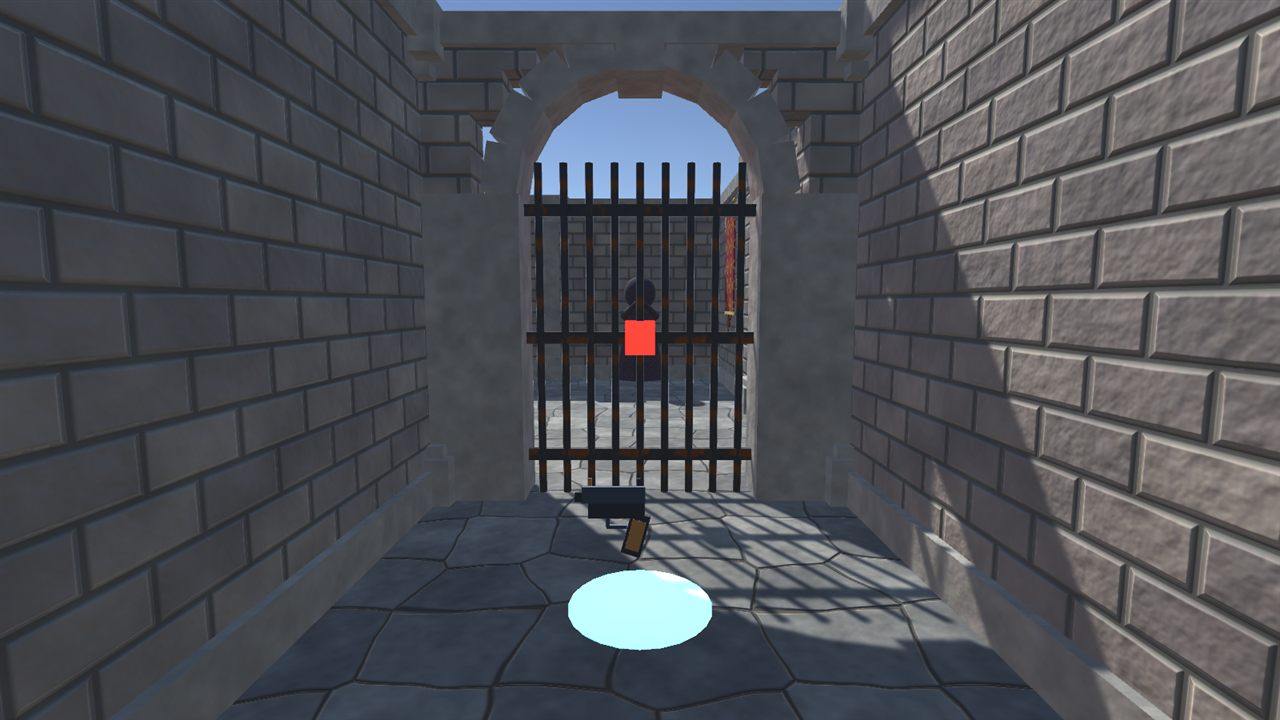
Grid Flow
Keys, locks & flow graphs
Author the mission as a graph (main path, branches, loops, keys and locks), then let it unfold on a grid.
Dungeon Builder turns a seed into a complete, playable level: crypts, sewers, office towers, cities, caves, platformers and whole islands with villages and quests. Swap the theme and the same layout becomes a new place.
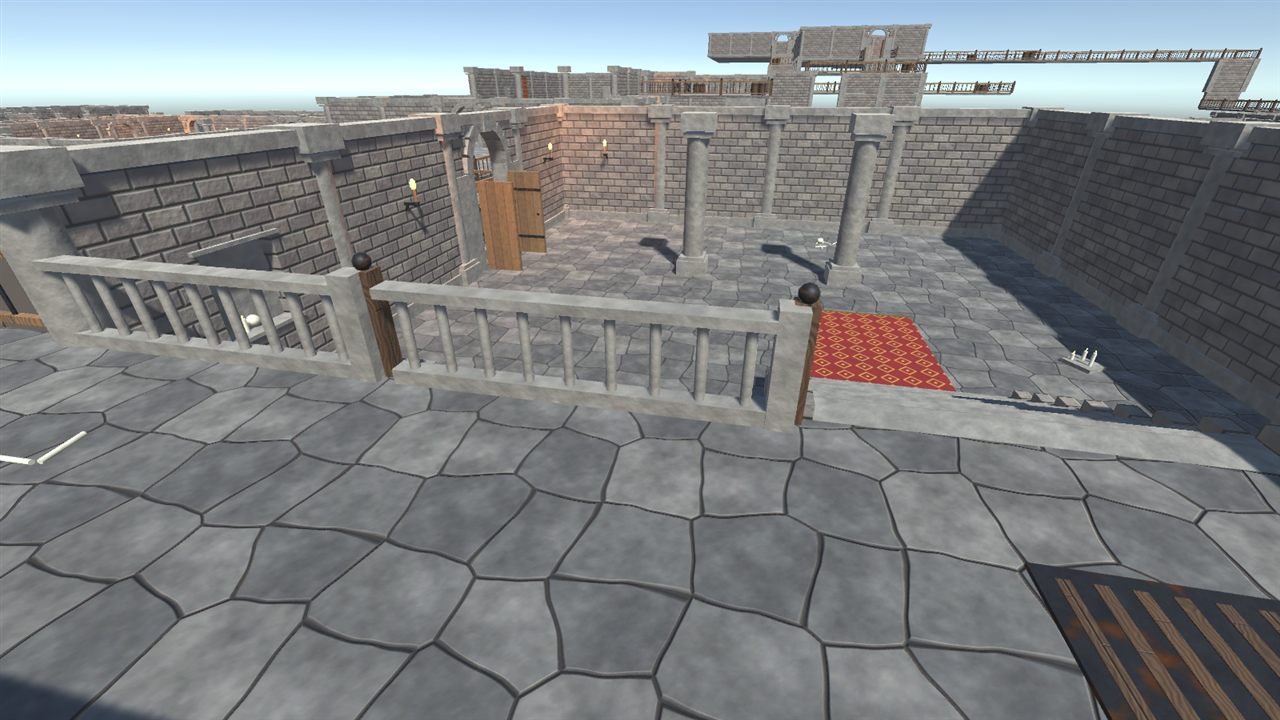
Generation is split in three clean stages, so level design and art stay independent. Change one without touching the others.
Pick a builder (Grid, Snap, Grid Flow, WFC, Regions…), set a seed and its rules. It computes rooms, corridors, stairs, doors, keys and locks in memory, in milliseconds.
Every cell becomes semantic markers: Ground, Wall, Door, Stair, Corner… Inspect them live with the Marker Debugger.
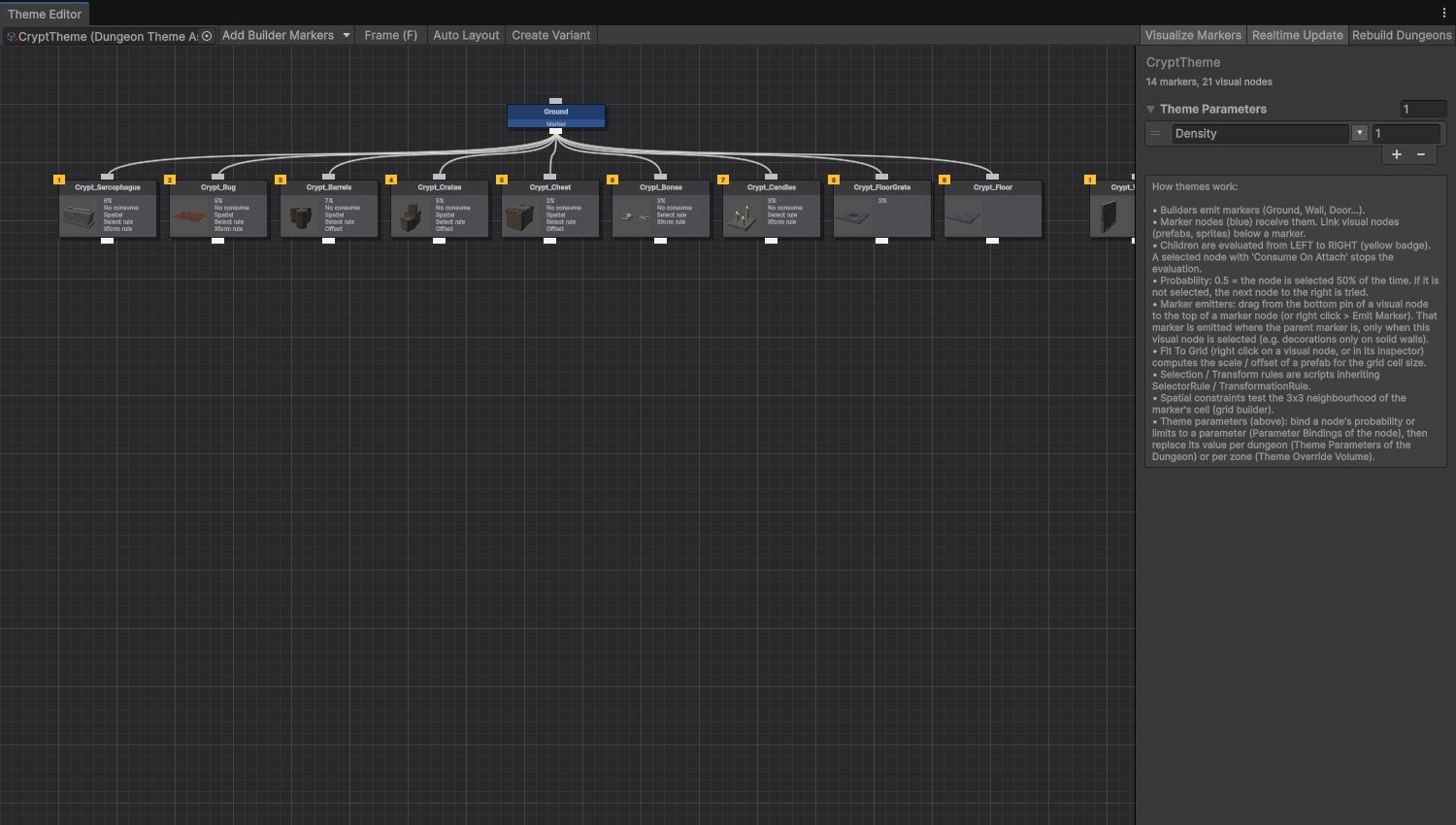
A node graph maps each marker to prefabs, with probabilities, constraints, scatter nodes and pattern rules. One layout, any art style: stone crypt, snowy forest or candy land.
From tight dungeon crawls to kilometre-wide open worlds. Every builder ships with playable samples you open from the Launch Pad in one click.
Author the mission as a graph (main path, branches, loops, keys and locks), then let it unfold on a grid.
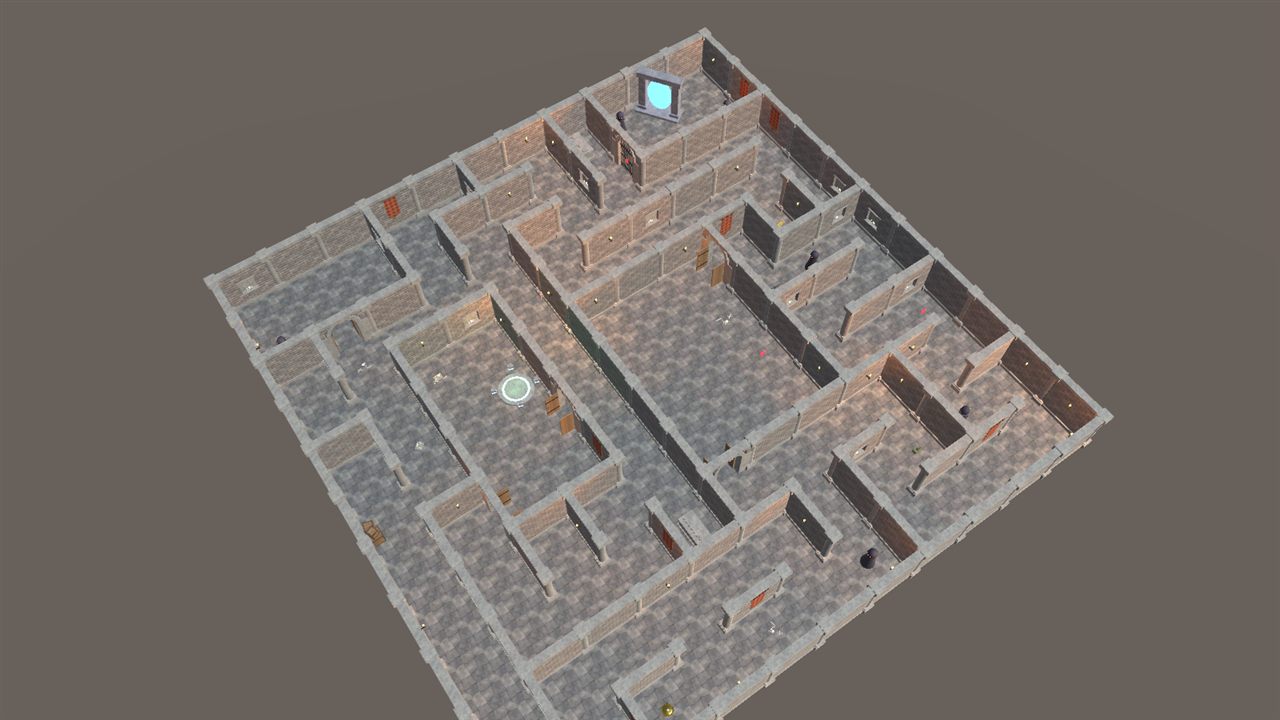
Backtracker mazes with rooms, dead-end treasures, a key far from the locked exit and a minimap.
Huge halls packed with L, T and U rooms, holes to the floor below, bridges and up to four stacked floors.
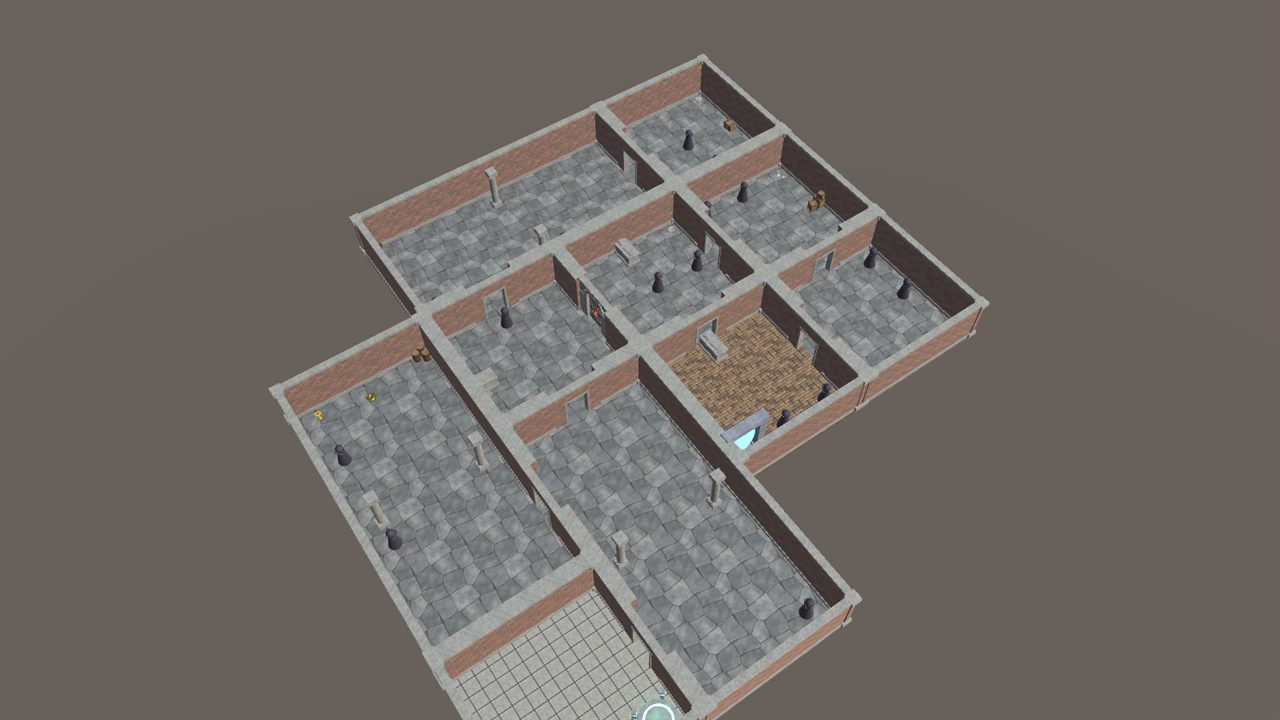
Design rooms in the Room Designer, then let a flow graph assemble them over several floors.
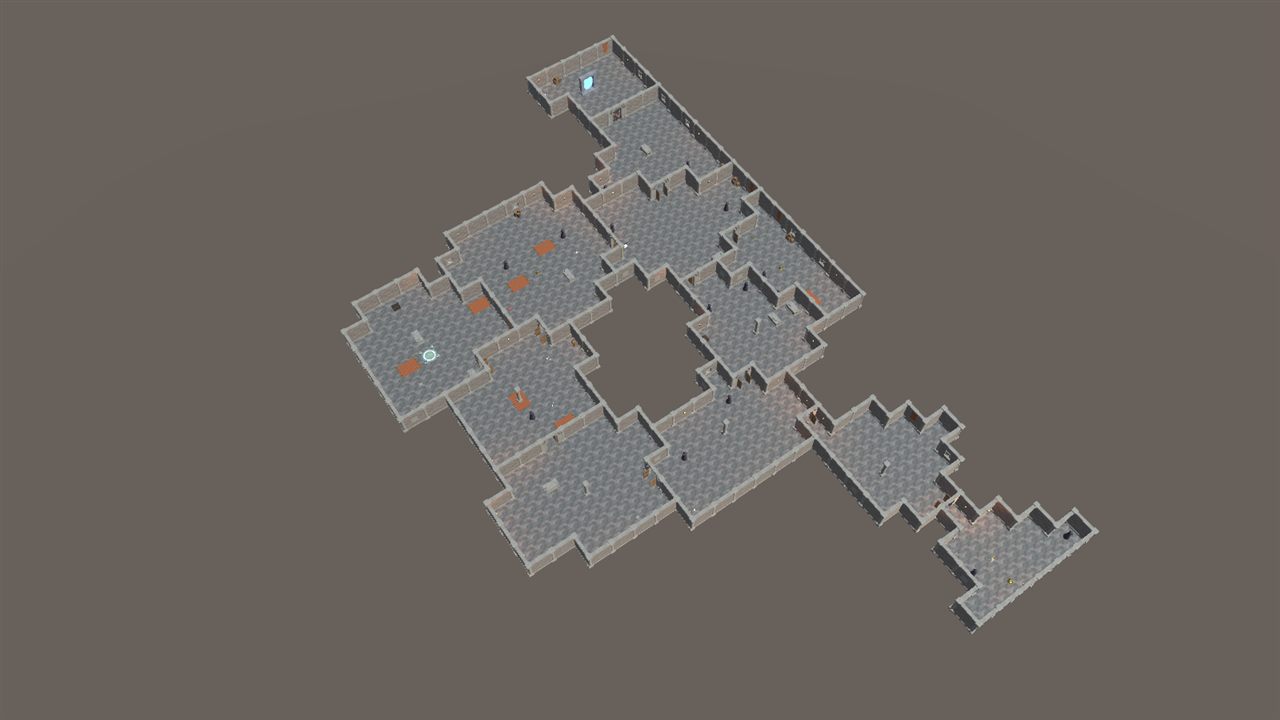
Irregular cells with a main path, branches, terraces and double stairs, dressed with any Grid theme.
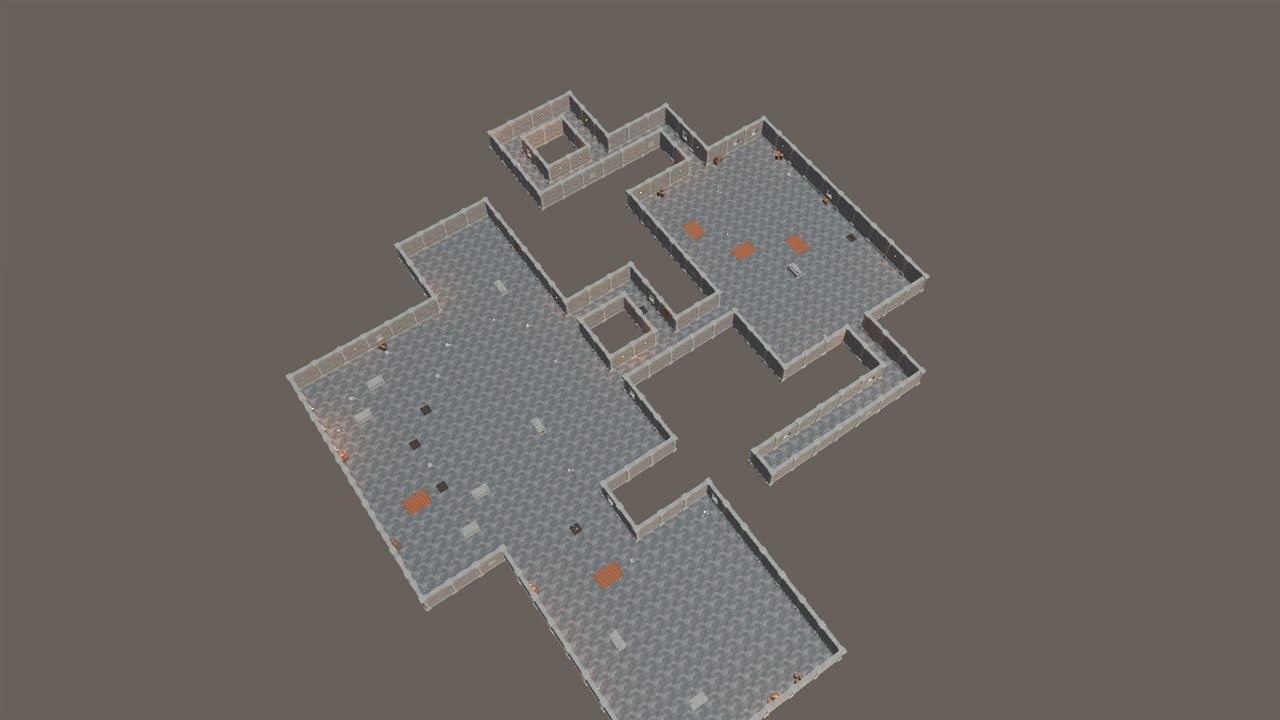
Define tiles and adjacency rules, watch the solver step by step, and keep the seeds you like.
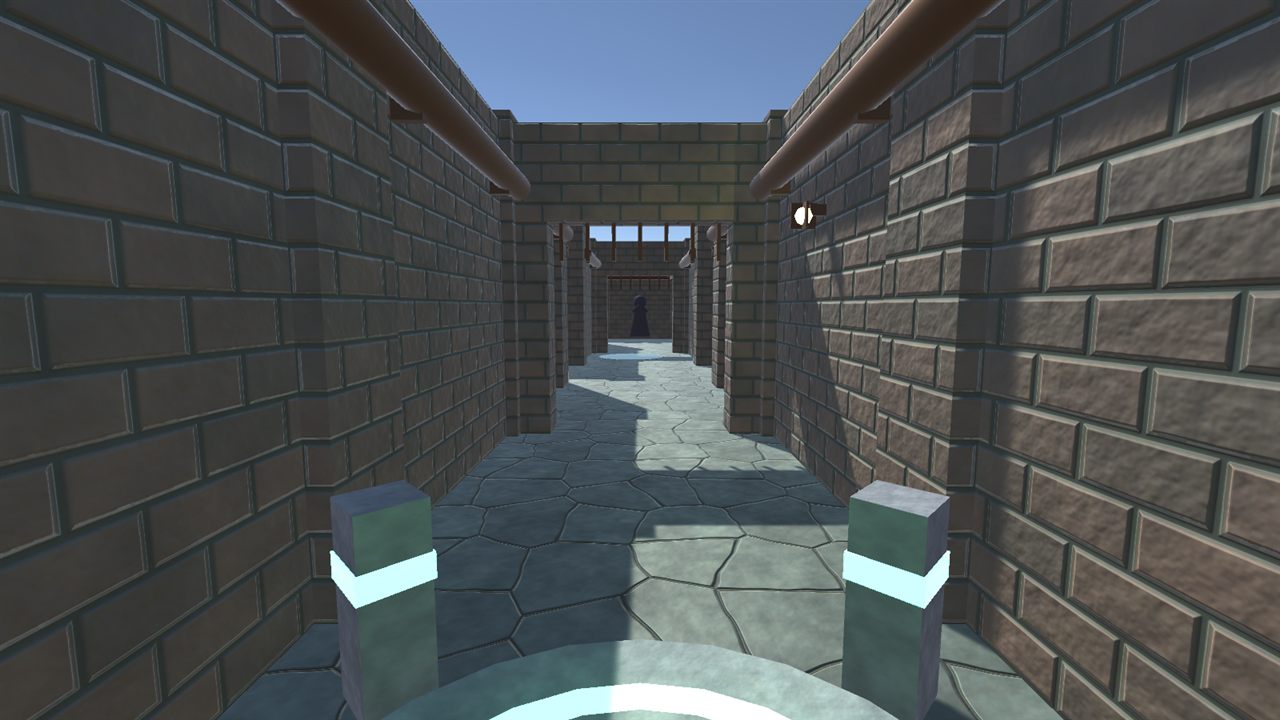
Rooms and corridors with heights and stairs, BSP or graph grammars, prefab modules snapped by their doors.
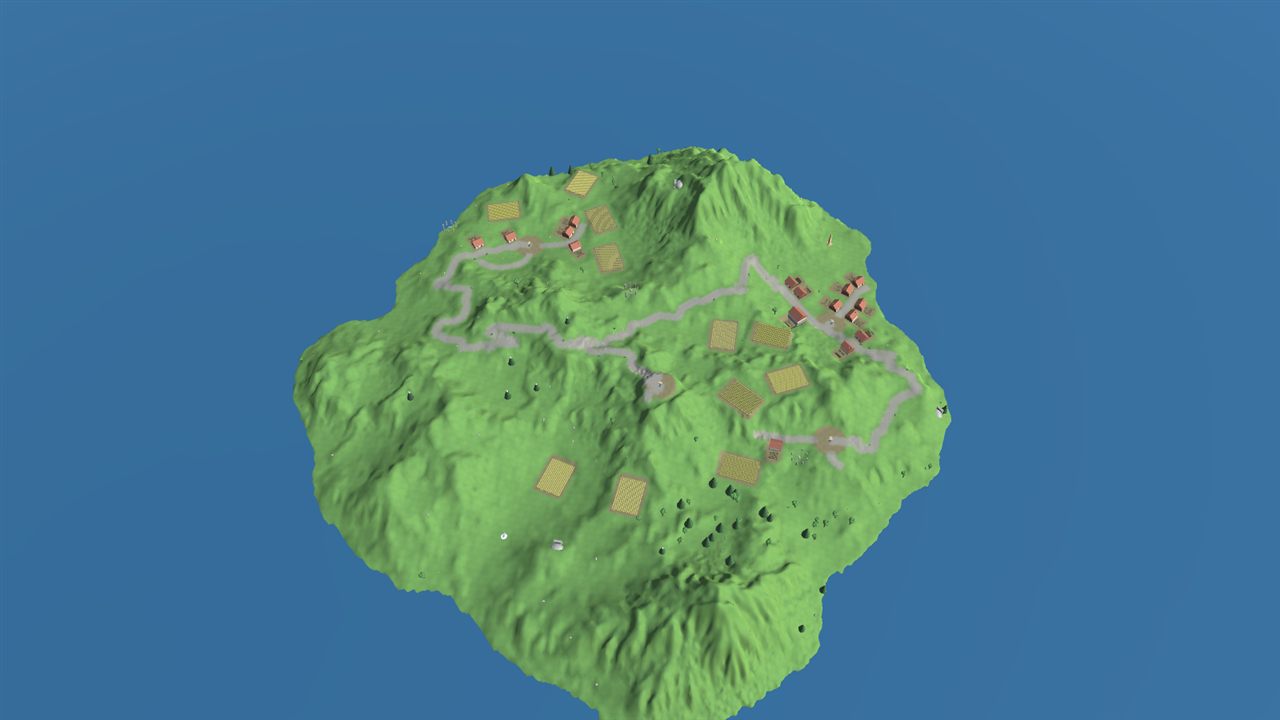
Meadow, forest, desert and tundra up to 1 km wide, seamless multi-terrain, hamlets and cave entrances, streamed around the player.
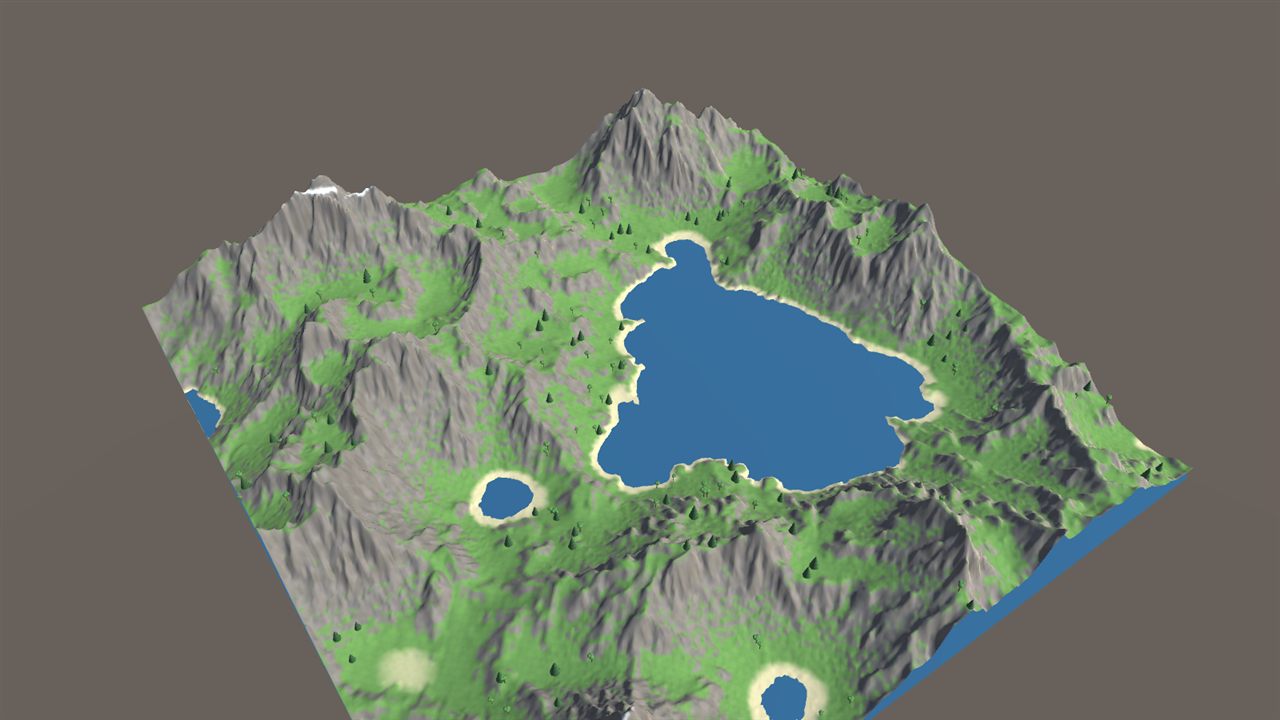
Ridged mountains, hydraulic erosion, beaches, rock and snow layers, forests and lakes from a single seed.
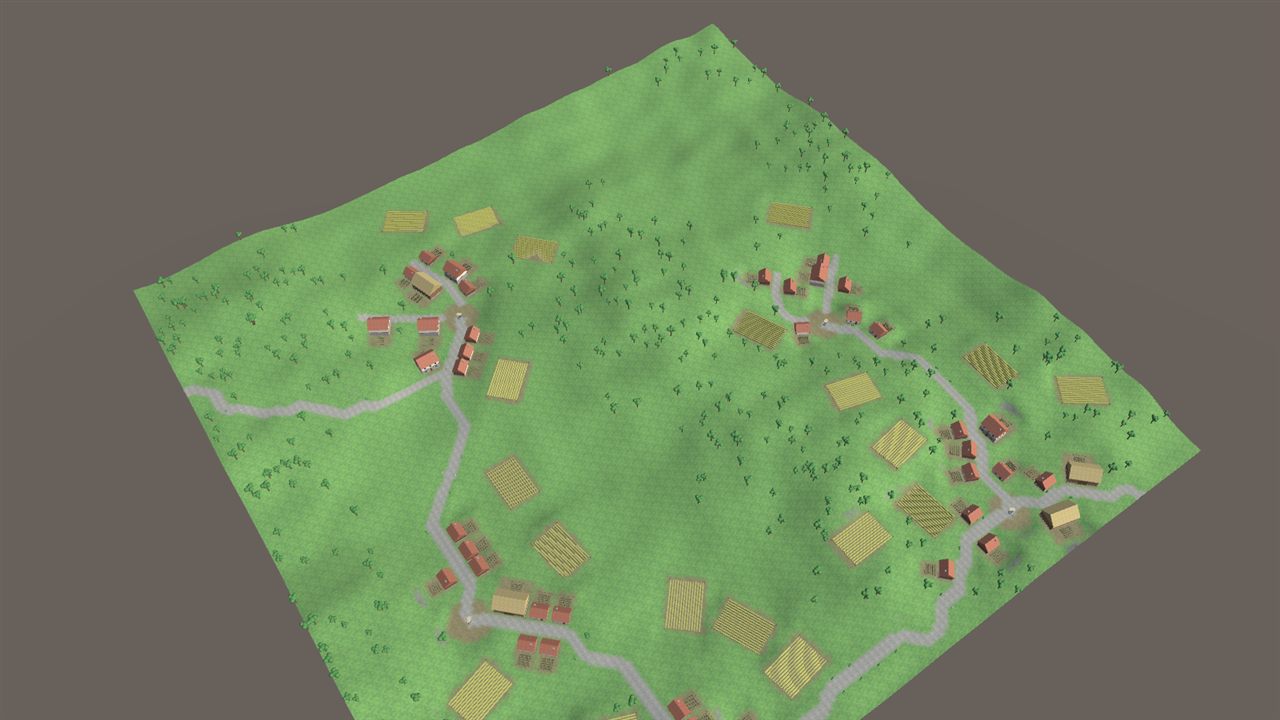
Road networks that follow the land, rivers with bridges, and villages with furnished house interiors.
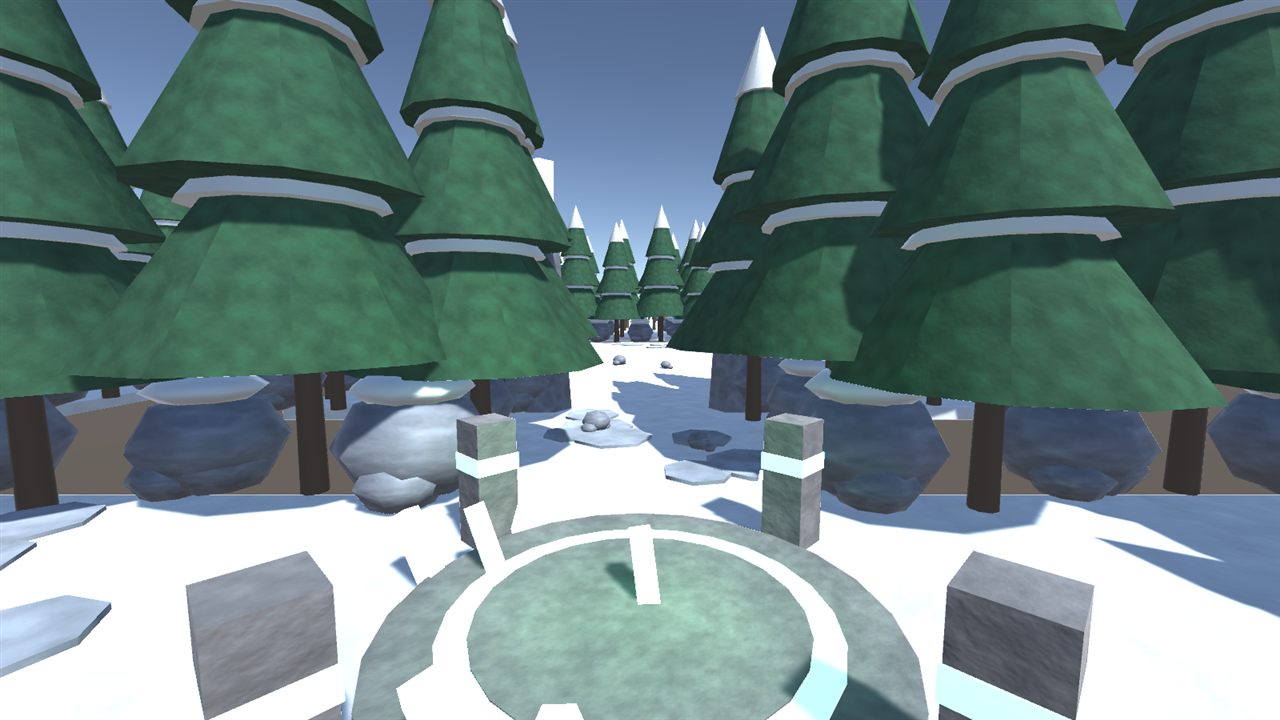
Forest edges as walls, large grids with many loops; the winter variant comes with living snowmen.
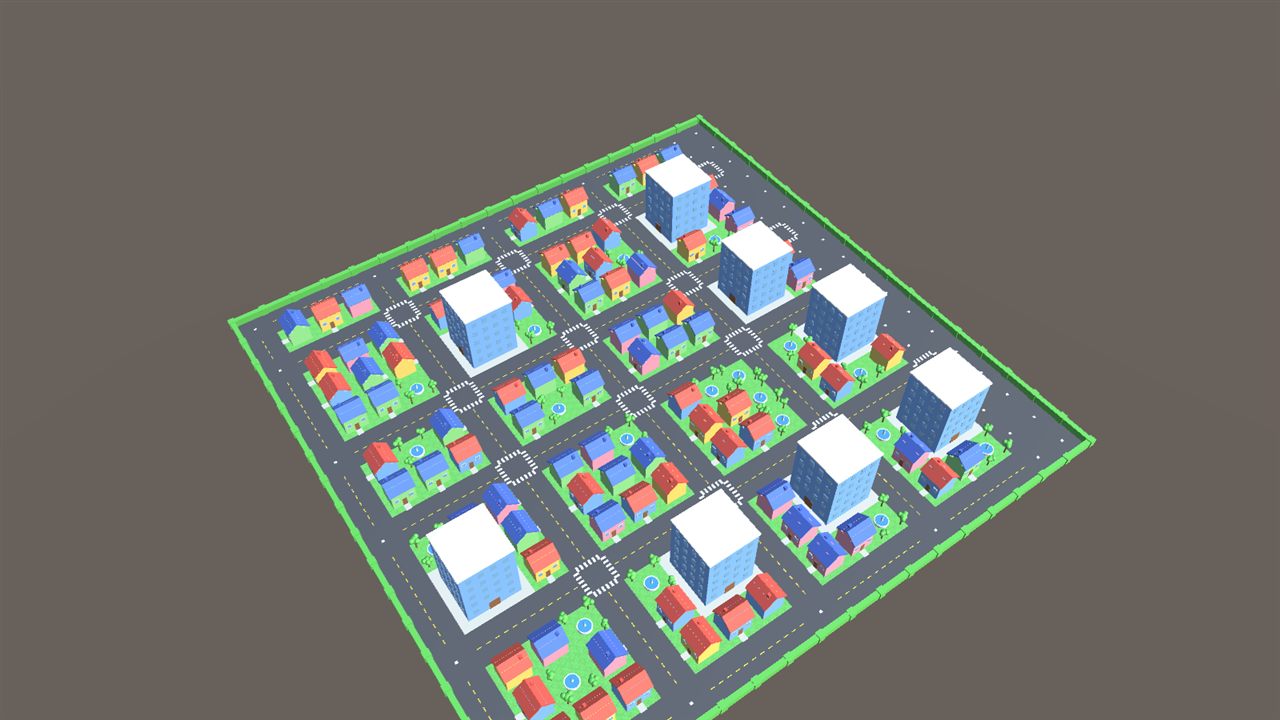
Streets with markings, houses, towers and parks; desert and cartoon themes included.
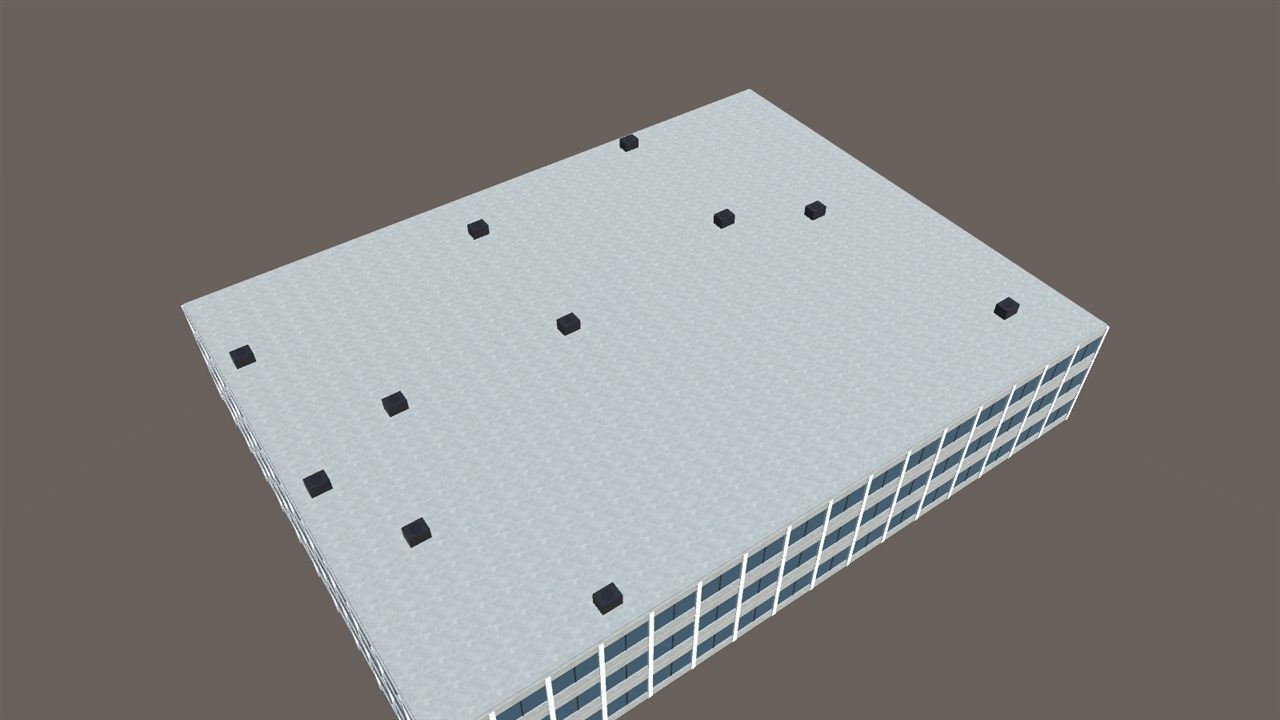
Floor plans split into rooms and corridors over several storeys, furnished one item per cell.
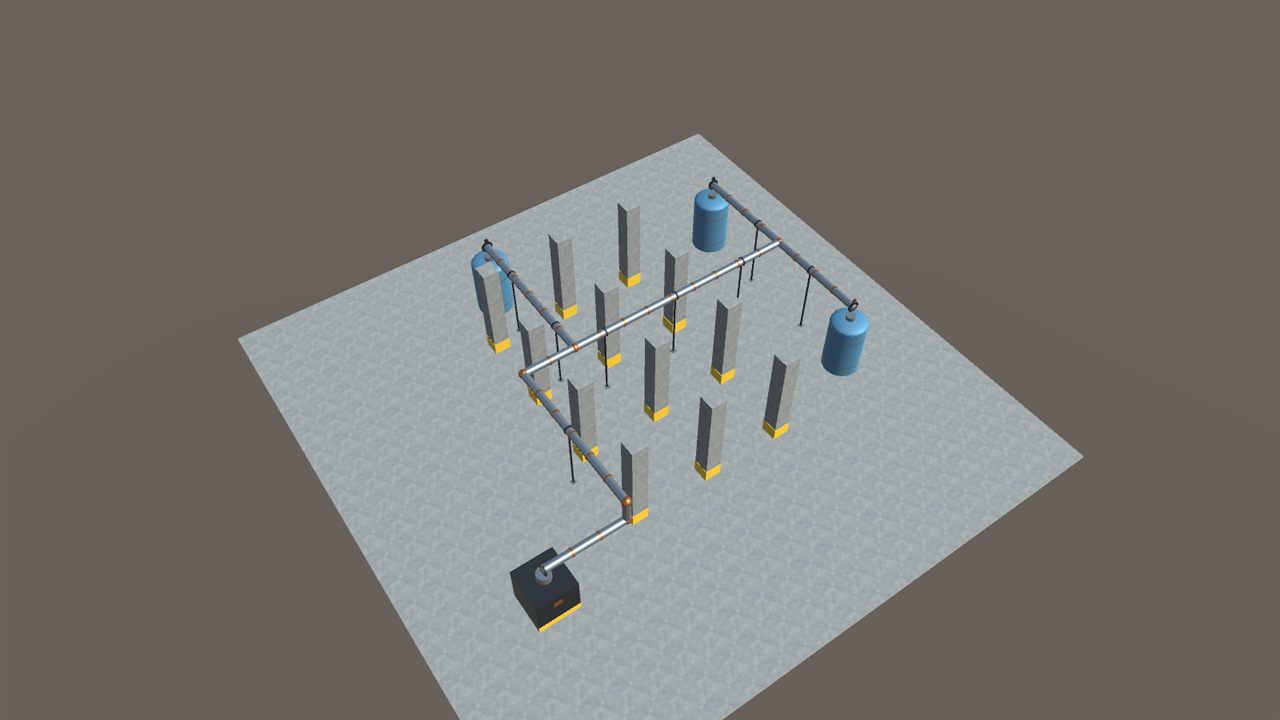
Pipes routed around boilers, tanks and pillars, with elbows, valves and gauges. Combine with Grid for full plants.
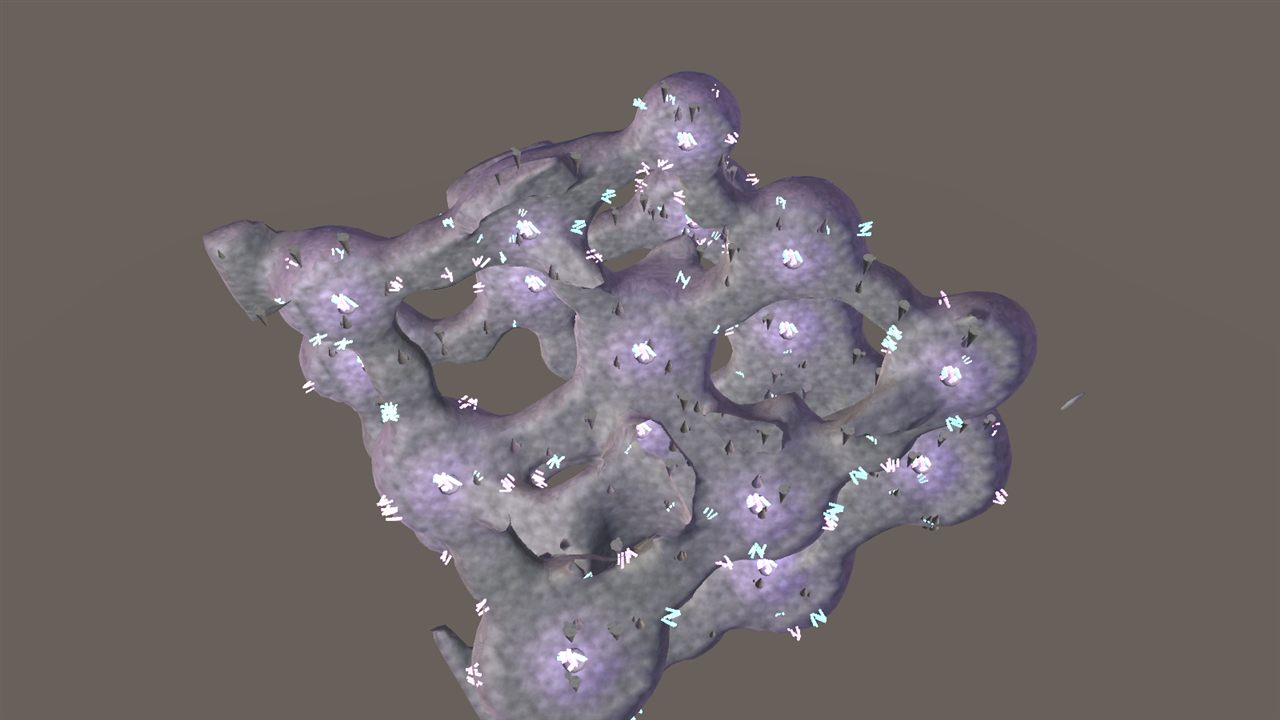
Multi-level caves joined by ramps, glowing crystals, or endless caves streamed in at runtime.
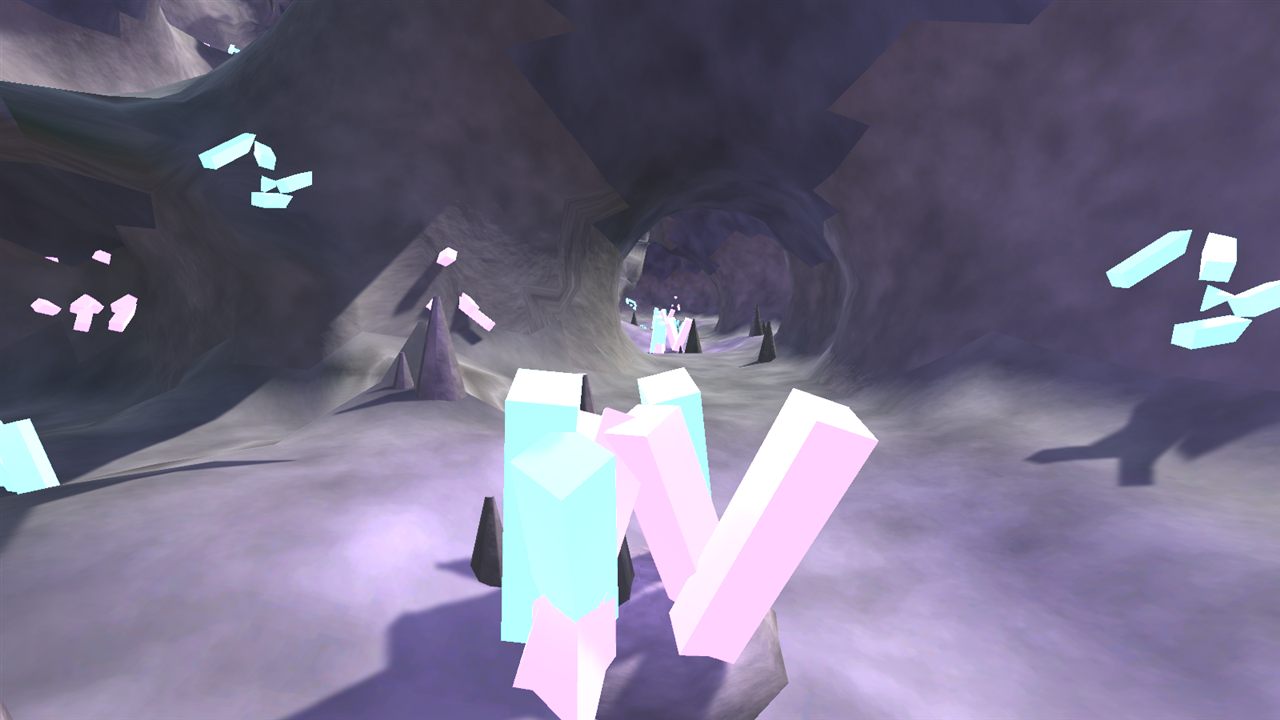
Chunk-based caves with cellular automata, stalactites, glowing mushrooms and a campfire per chunk.
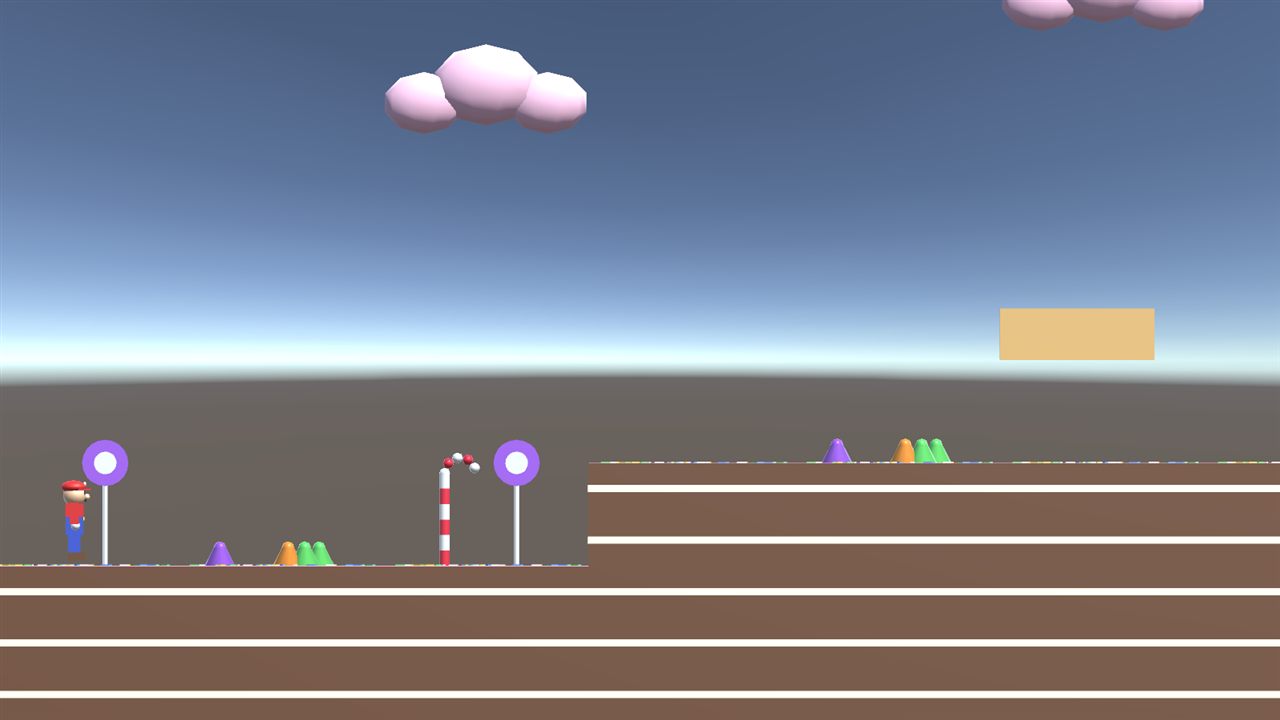
Ground, gaps, bonus blocks, pipes and patrolling enemies, with a platformer player and side camera.
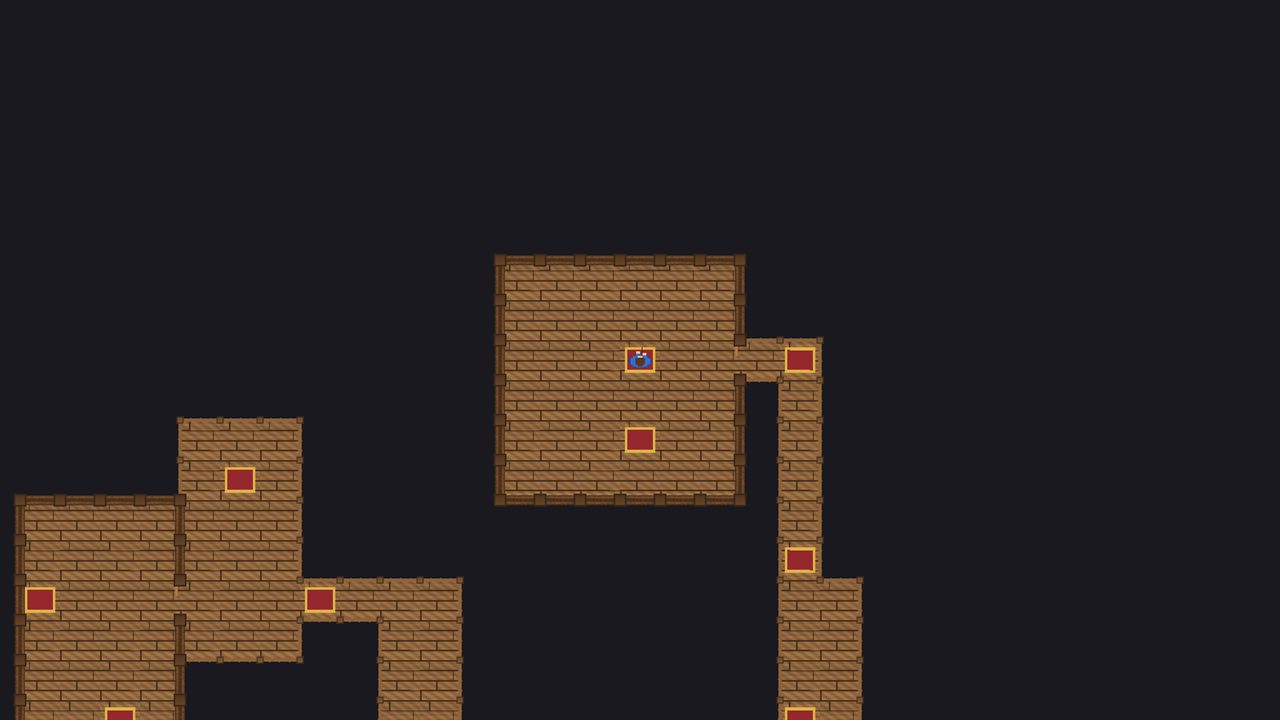
Pixel-art sprites, a twin-stick player that aims with the mouse, and enemy spawners.
Thirteen dedicated windows cover the whole pipeline, from theme graphs to quests. Every editor shows a live preview and supports seeds and favourites.
Add the Test Player and every sample becomes a small game: explore, fight, loot, talk to villagers and finish quests. Press N for a brand new level.
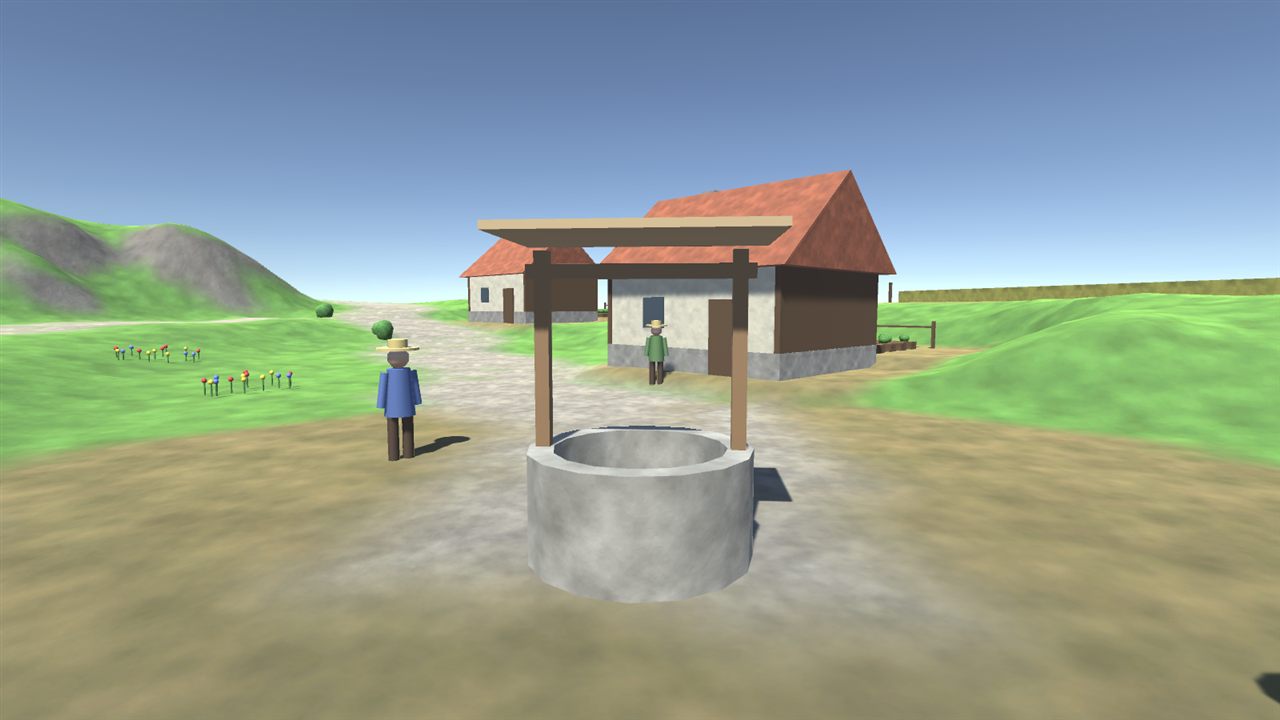
Quest givers with branching dialogue, rewards and reputation, a quest journal, a compass and shops in every hamlet.
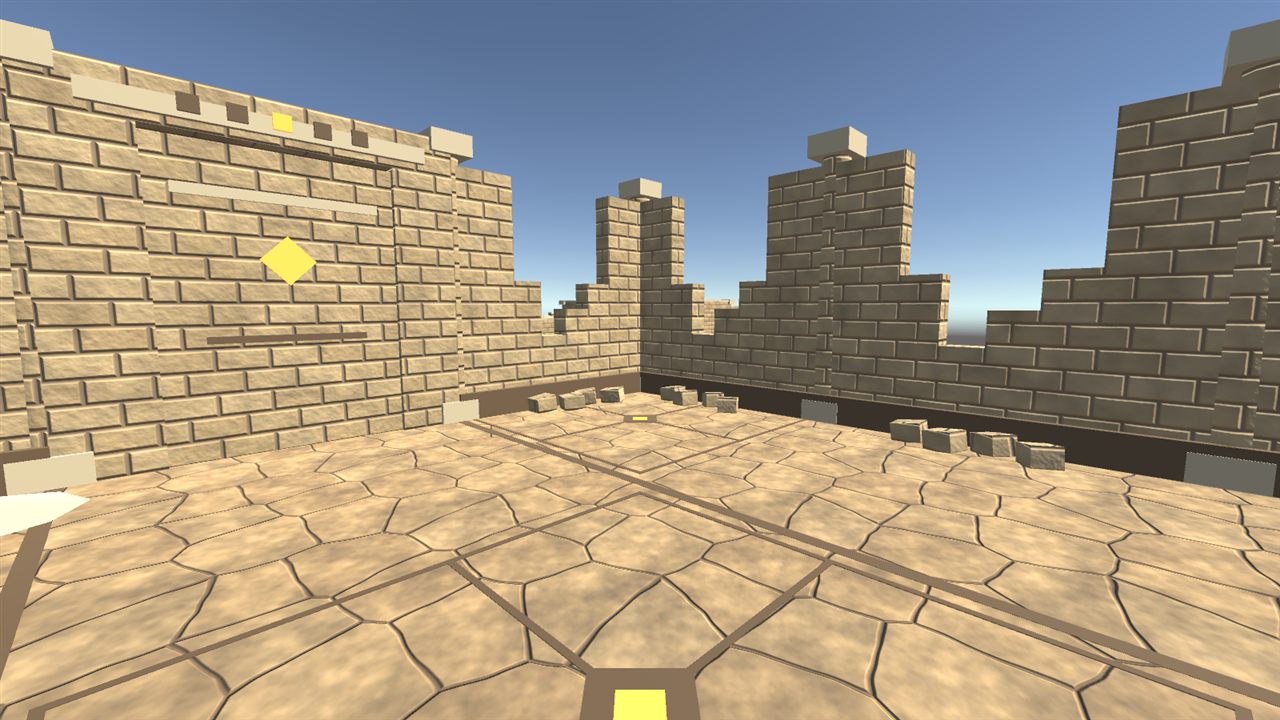
Three Meta Quest 3 samples tuned for draw calls and triangles, with an audit tool for your own scenes.
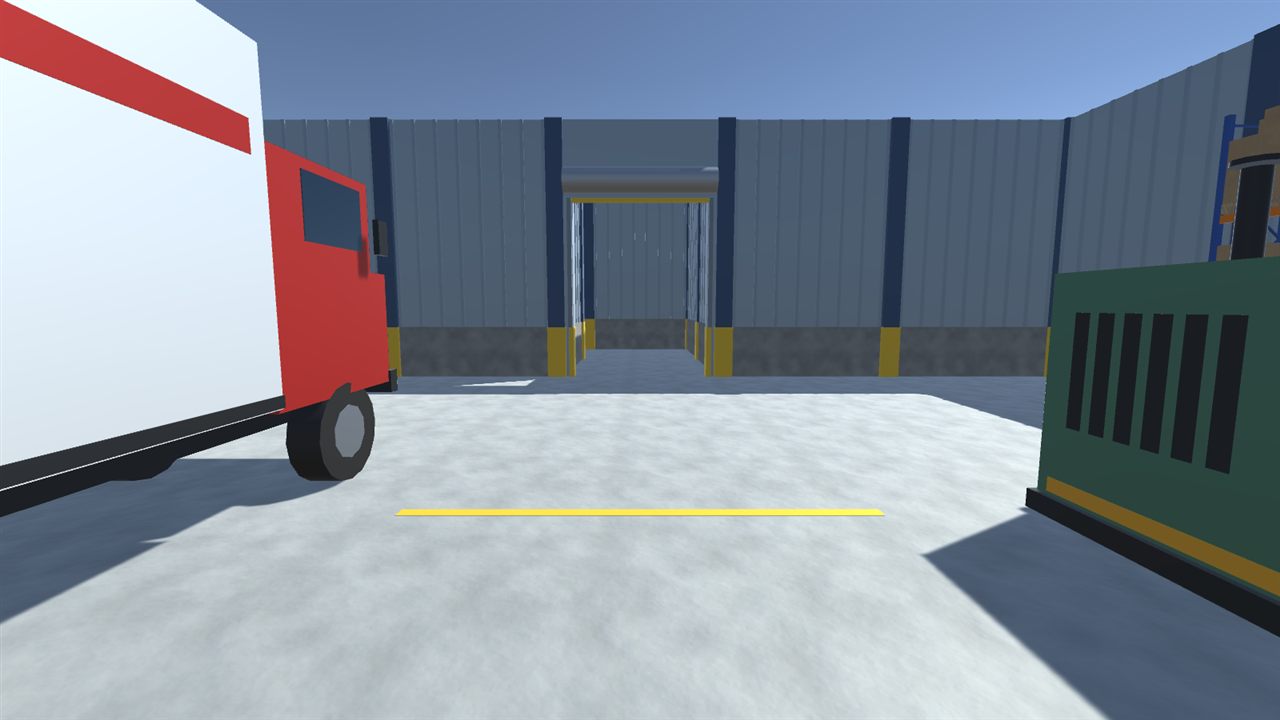
Elevators, conveyors, forklifts and machines that never block a stair or a door.
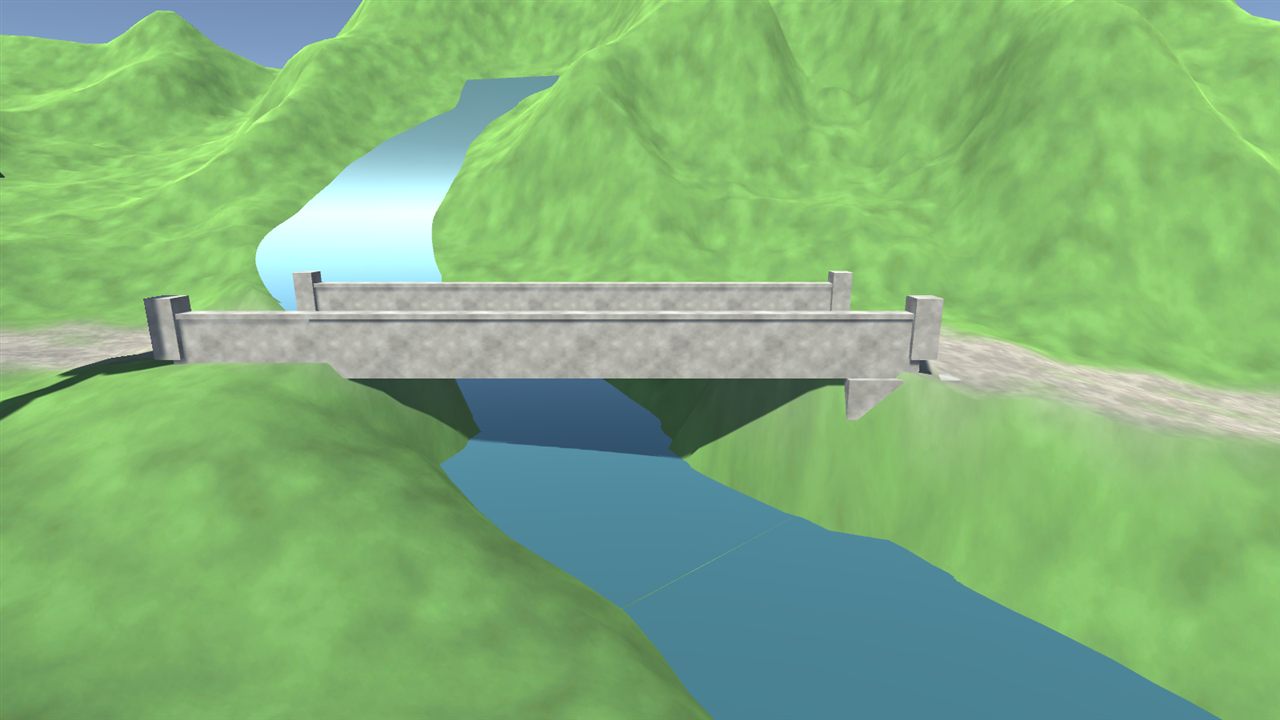
Only what is around the player is loaded, with progress screens and runtime generation.
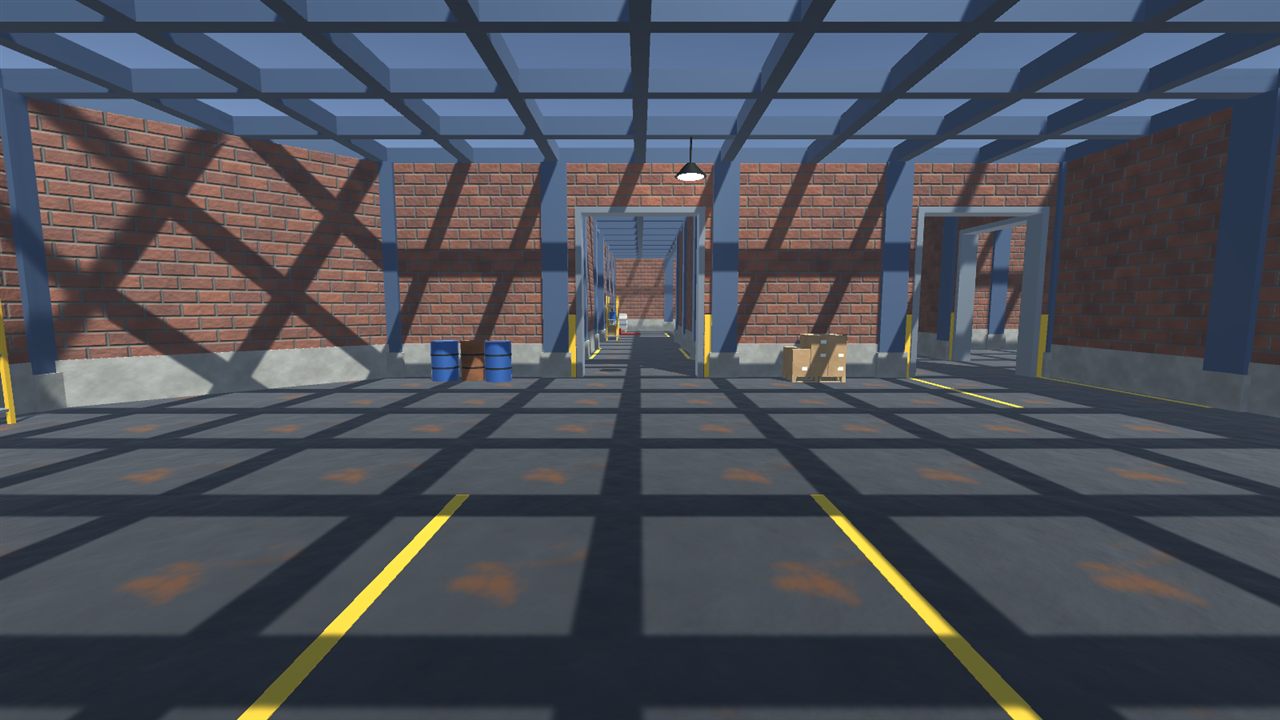
Merge static geometry per material to keep draw calls low on large levels.
A single Unity package, written from scratch in its own namespace. Textures, meshes and materials of the samples are generated procedurally, so it works without any extra art.
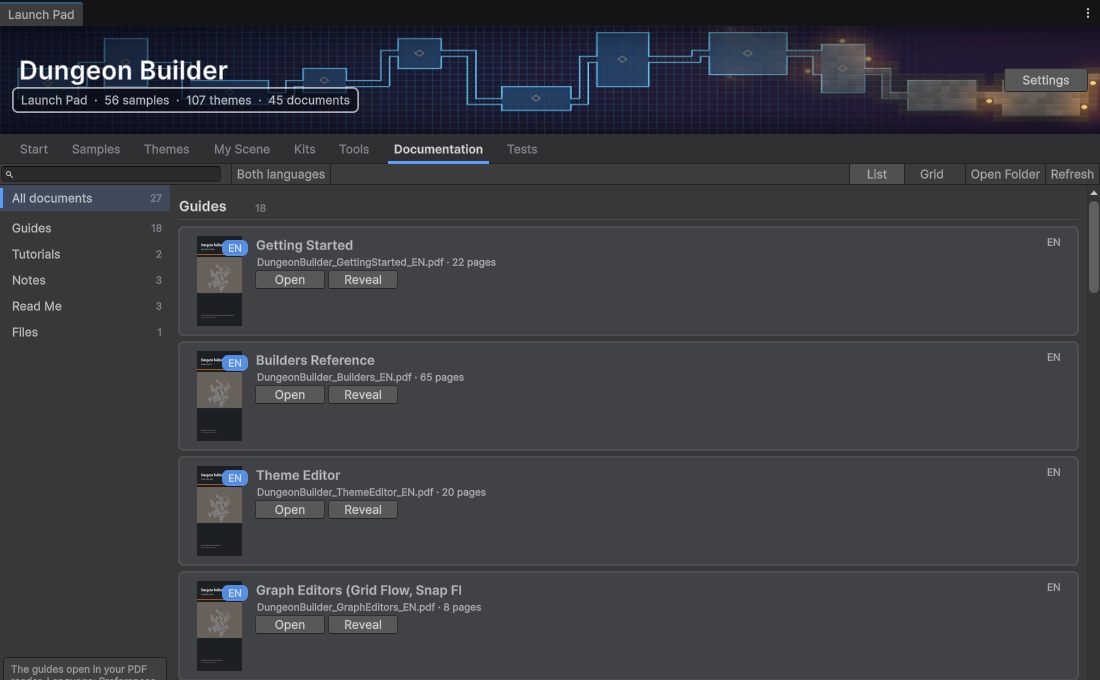
The Launch Pad: browse every sample with its cost (objects, triangles, build time), open it in a new scene, or make an editable copy.
Import the package, open Dungeon Builder › Launch Pad, pick a sample and press Play.